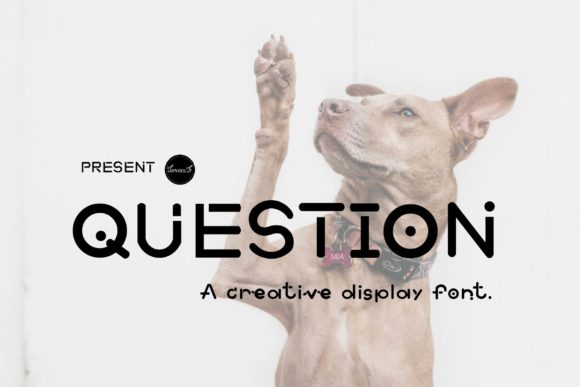
Question: A Playful Display Font That Elevates Your Visual Communication
Question is more than just a font—it's a creative tool that can transform the way you communicate visually. Designed with care and precision, this playful display font is crafted to stand out in any context, whether it's used on complex backgrounds or as a bold headline. Its unique character makes it ideal for professionals, creators, and anyone looking to add a touch of personality to their work.
When choosing a font, it's essential to consider how it fits into your broader design process. Question brings a fresh perspective that complements both digital and print media. It’s particularly effective when used in branding, marketing materials, presentations, and even personal projects where visual appeal plays a key role.
Understanding the Role of Question in Design Workflows
Incorporating Question into your workflow begins with understanding its purpose and versatility. This font is designed to be eye-catching without being overwhelming. It works well in headlines, titles, and call-to-action sections, making it a valuable asset in web design, graphic design, and content creation.
Before starting a project, consider how Question will fit within the overall aesthetic. Will it complement the color scheme? Does it match the tone of the message you're trying to convey? These questions help ensure that the font enhances rather than distracts from your content.
During the design phase, use Question to highlight important elements. For example, if you're creating a poster or a social media graphic, using Question for the main title can draw attention and create a focal point. Pairing it with a simpler, readable font for body text ensures a balanced and professional look.
After the initial design is complete, review how Question performs across different platforms and devices. Ensure that it remains legible and maintains its visual impact at various sizes and resolutions. This step is crucial for maintaining consistency across all forms of communication.
Practical Use Cases for Question
Question is not limited to a single application. Its flexibility allows it to be used in multiple scenarios, each benefiting from its distinctive style.
- Headlines and Titles: Use Question to make headlines stand out in articles, blog posts, or marketing materials. Its playful nature adds an engaging element that captures attention quickly.
- Branding Elements: Incorporate Question into logos, taglines, or brand identities to create a memorable and unique visual identity.
- Presentations and Slides: Highlight key points in slides with Question. Its bold appearance helps emphasize important messages without cluttering the slide.
- Social Media Graphics: Use Question in captions, hashtags, or visual elements to make your content more dynamic and shareable.
- Print Materials: Whether designing business cards, flyers, or brochures, Question adds a touch of creativity that stands out in printed formats.
Each of these use cases demonstrates how Question can enhance different aspects of your work. The key is to integrate it thoughtfully, ensuring that it aligns with the overall purpose and style of the project.
Integrating Question with Other Tools and Resources
Question works well alongside other design tools and resources, allowing for seamless integration into existing workflows. When working with graphic design software like Adobe Photoshop or Illustrator, you can easily apply Question to your projects by selecting it from the font menu. Similarly, in web development, you can use CSS to import and apply the font across your website.
For those who prefer online tools, platforms like Canva offer a wide range of templates where you can experiment with Question. Simply choose a template, select the text layer, and change the font to Question to see how it looks in different contexts.
When combining Question with other fonts, it's important to maintain a balance. Pair it with a complementary sans-serif or serif font for body text to ensure readability while still making a visual statement with the headline.
Additionally, consider the compatibility of Question with different file formats. While it excels in digital environments, always verify that it renders correctly in print formats, especially when working with high-resolution outputs.
Implementation Tips for Optimal Results
To get the most out of Question, follow these practical tips that focus on preparation, usability, and long-term effectiveness.
- Prepare Your Assets: Before beginning a project, gather all necessary assets and ensure that Question is installed on your system or accessible through a font library. This helps avoid last-minute issues and keeps your workflow smooth.
- Test Across Devices: Check how Question appears on different screens and devices. Make sure that it remains legible and visually appealing regardless of the platform.
- Use Consistently: Maintain consistency by using Question in similar ways throughout your projects. This creates a cohesive look and reinforces brand recognition.
- Experiment with Styles: Don’t be afraid to experiment with different weights, colors, and spacing. This helps uncover new ways to use Question and maximize its potential.
- Stay Organized: Keep track of projects where you’ve used Question so that you can reference them in the future. This helps build a portfolio and ensures that you can replicate successful designs.
By following these tips, you can ensure that Question becomes a reliable and effective part of your design toolkit.
Ensuring Quality and Long-Term Use
Quality control is essential when using any font, including Question. Always review your final output to ensure that the font displays correctly and meets your expectations. If you notice any inconsistencies, take the time to adjust settings or try alternative implementations.
For long-term use, consider licensing options that allow you to use Question across multiple projects and platforms. This ensures that you have full access to the font whenever needed, without worrying about restrictions or limitations.
As your skills and projects evolve, continue exploring new ways to use Question. Stay updated with design trends and best practices to keep your work fresh and relevant.
Ultimately, Question is a versatile and expressive font that can elevate your visual communication. By integrating it thoughtfully into your workflow, you can create impactful designs that resonate with your audience and achieve your goals effectively.