Runaway: A Joyful and Quirky Display Font for Creative Designs
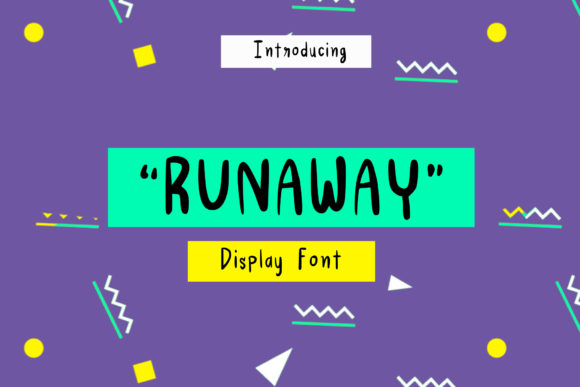
Runaway is a display font that brings a sense of playfulness and energy to any design project. With its unique character shapes and dynamic strokes, it stands out as a versatile tool for designers looking to inject personality into their work. Whether you're creating branding materials, social media graphics, or editorial layouts, Runaway offers a fresh approach that can elevate your visual communication.
What Makes Runaway Unique?
Runaway distinguishes itself through its quirky and expressive letterforms. The font features exaggerated curves and slanted lines that give each letter a sense of movement, almost as if they are running away from the page. This playful aesthetic makes it particularly well-suited for projects that require a lighthearted or whimsical tone.
The font's design includes both uppercase and lowercase letters, with a consistent rhythm that ensures readability even in larger sizes. It also supports a wide range of characters, including special symbols and accented letters, making it suitable for multilingual projects.
Key Features of Runaway
- Playful and Expressive Design: Each letter is crafted to convey motion and emotion, adding a unique flair to text.
- Versatile Use Cases: Ideal for headlines, logos, posters, and other creative applications where attention-grabbing typography is essential.
- High Readability: Despite its quirky style, the font maintains legibility, ensuring that messages remain clear and impactful.
- Wide Character Support: Includes standard Latin characters, symbols, and diacritics, supporting multiple languages and special needs.
Comparing Runaway with Similar Fonts
When considering fonts for creative projects, it's helpful to compare options based on their visual style, functionality, and suitability for different use cases. Runaway joins a category of display fonts known for their bold and expressive characteristics. However, it has distinct qualities that set it apart from others in this group.
Fonts like Bauhaus 93 and Impact are often used for similar purposes, but they tend to be more geometric and less dynamic than Runaway. Bauhaus 93, for instance, has a clean, modern look that works well for minimalist designs, while Impact is a sans-serif font with a strong, blocky appearance. In contrast, Runaway's organic feel and fluidity make it more appropriate for designs that aim to evoke emotion or humor.
Another alternative is Quicksand, which offers a more balanced approach between readability and style. While Quicksand is excellent for body text and headings, it lacks the whimsical charm that Runaway provides. If the goal is to create a memorable and engaging visual identity, Runaway might be the better choice.
Strengths and Tradeoffs
One of the main strengths of Runaway is its ability to add a joyful and distinctive touch to any design. Its unique letterforms make it stand out in a crowded visual landscape, helping brands and creators capture attention quickly. Additionally, its versatility allows it to be used across various platforms, from print to digital media.
However, there are some tradeoffs to consider. Because of its expressive nature, Runaway may not be the best choice for long-form text or documents that require a more formal tone. In such cases, a simpler and more traditional font would be more appropriate. Also, due to its stylized appearance, Runaway may not be compatible with all design software or platforms, so it's important to check compatibility before using it in a project.
When to Choose Runaway
Runaway is an excellent option for designers who want to add a sense of fun and creativity to their work. It is particularly well-suited for the following situations:
- Branding and Logos: The font's playful style can help establish a brand identity that feels friendly and approachable.
- Social Media Graphics: Runaway's eye-catching appearance makes it ideal for posts that need to grab attention quickly.
- Event Posters and Invitations: The font adds a lively touch that can make event promotions more engaging.
- Editorial Design: When used sparingly, Runaway can enhance headlines or section titles without overwhelming the reader.
On the other hand, if the project requires a more professional or serious tone, Runaway may not be the best fit. For example, in corporate communications or academic publications, a more conventional font would likely be more appropriate.
Practical Examples of Runaway in Action
To illustrate how Runaway can be used effectively, consider a few practical examples:
- Children’s Book Cover: A children’s book about adventure could benefit greatly from Runaway's energetic letterforms, helping to convey excitement and curiosity.
- Restaurant Menu: A casual dining establishment might use Runaway for its menu headers to create a warm and inviting atmosphere.
- Music Festival Poster: The font's dynamic style would complement the vibrant and lively nature of a music festival poster.
- Product Packaging: A toy company could use Runaway to make product names more appealing to young audiences.
In each of these scenarios, Runaway adds a layer of personality that helps differentiate the design from others in the same category.
Evaluating Alternatives and Making an Informed Choice
While Runaway is a compelling option for many design projects, it's important to evaluate alternatives based on specific needs and goals. Consider the following factors when choosing a font:
- Project Purpose: What is the primary goal of the design? Is it to inform, entertain, or inspire?
- Target Audience: Who will be viewing the design? Will they respond positively to a playful font like Runaway?
- Design Context: How does the font fit within the overall visual language of the project? Does it align with the brand's identity?
- Technical Requirements: Are there any limitations in terms of file formats, software compatibility, or platform support?
By carefully evaluating these factors, designers can make a more informed decision about whether Runaway is the right choice for their project. It's always a good idea to test the font in different contexts and see how it performs in real-world applications.
In conclusion, Runaway is a unique and expressive display font that can bring a sense of joy and creativity to any design. Its quirky style and dynamic letterforms make it an excellent choice for projects that require a playful and engaging visual identity. However, it's important to consider the context, audience, and technical requirements before making a final decision. By weighing the strengths and tradeoffs of Runaway against other options, designers can choose the font that best meets their needs and enhances their creative vision.