Social Trend: A Strategic Font for Modern Communication
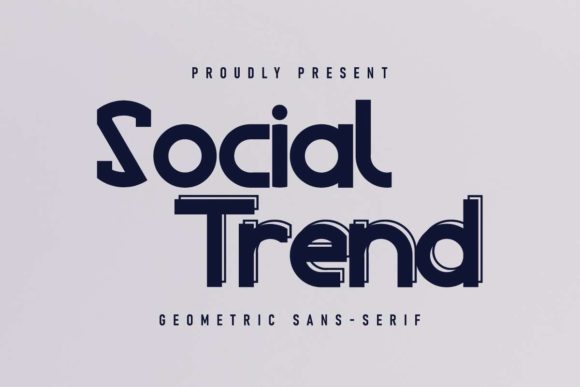
Social Trend is more than just a font—it’s a strategic tool that can elevate your visual communication across multiple platforms. As a fun display font, carefully handcrafted to become a true favorite, it brings a unique blend of casual charm and readability that makes it incredibly versatile. Whether you're designing a website, creating marketing materials, or crafting social media content, Social Trend has the potential to make your message stand out while maintaining a sense of approachability.
The Strategic Value of Social Trend
In today's fast-paced digital environment, first impressions matter. Fonts play a critical role in shaping how audiences perceive your brand, message, or content. Social Trend offers a distinct advantage by combining personality with functionality. Its down-to-earth feel helps establish trust, while its legibility ensures your message remains clear even on busy backgrounds.
For marketers and entrepreneurs, this means using Social Trend can help differentiate your brand from competitors. It adds a layer of human connection that many sans-serif or serif fonts lack. This is especially valuable when targeting younger demographics or niche communities where authenticity is key.
When and How to Use Social Trend Effectively
The thoughtful use of Social Trend can support various goals, from improving brand recognition to enhancing user engagement. Here are some practical scenarios where Social Trend can be strategically applied:
- Headlines and Titles: Use Social Trend for headlines in blogs, newsletters, or presentations to draw attention without overwhelming the reader.
- Social Media Posts: The font’s casual charm fits perfectly with the informal tone of platforms like Instagram, Twitter, and Facebook.
- Branding Elements: Incorporate Social Trend into logos, banners, or promotional materials to create a memorable visual identity.
- Email Campaigns: Apply it sparingly in subject lines or call-to-action buttons to increase click-through rates.
However, it's important to consider the context before relying on Social Trend. Overusing it can dilute its impact and lead to a cluttered design. Always ensure that the font complements rather than competes with the content it supports.
Planning Your Use of Social Trend
Before integrating Social Trend into your workflow, take time to evaluate your objectives. Are you looking to build a stronger brand presence? Improve user experience? Or simply add a touch of personality to your content?
Here are some planning tips to guide your decision-making:
- Define Your Goal: Clarify what you want to achieve with the font. Is it for branding, marketing, or internal communication?
- Assess Your Audience: Understand who will be viewing your content. Does Social Trend align with their preferences and expectations?
- Evaluate the Context: Consider the background, color scheme, and other design elements that will accompany the font.
- Test and Iterate: Experiment with different layouts and settings to find the optimal way to use Social Trend.
This structured approach ensures that your use of Social Trend is intentional and effective, rather than random or haphazard.
Risks of Using Social Trend Without Strategy
While Social Trend is visually appealing, it can also be misused if not approached with care. For instance, applying it in situations where professionalism is essential—such as legal documents or financial reports—could undermine your credibility. Similarly, using it too frequently in a single design may distract from the main message.
Another risk is over-reliance on the font without considering its limitations. While Social Trend is highly readable, it may not be suitable for long blocks of text. Always pair it with a complementary, more traditional font for body copy to maintain clarity and focus.
Maximizing Long-Term Value with Social Trend
Fonts are often overlooked as a strategic asset, but they can significantly influence how your message is received. Social Trend, when used thoughtfully, can contribute to long-term brand equity by reinforcing consistent visual identity across all touchpoints.
Consider implementing Social Trend as part of a broader design strategy that includes color theory, typography hierarchy, and responsive layout principles. This ensures that your brand remains cohesive and recognizable across different mediums and platforms.
Additionally, keep an eye on trends in font usage. While Social Trend is already popular, staying informed about evolving design practices can help you stay ahead of the curve and maintain relevance in a competitive market.
Conclusion
Social Trend is a powerful yet subtle tool that can enhance your communication efforts when used with intention. Its versatility, readability, and charm make it an excellent choice for a wide range of applications—from branding to digital content creation. However, success depends on thoughtful planning, clear goals, and an understanding of your audience and context.
By integrating Social Trend into your design toolkit with strategy and purpose, you can create more engaging, memorable, and impactful visual experiences that drive better results over time.